Can I Sell My Solon House As-Is? What Sellers Should Know

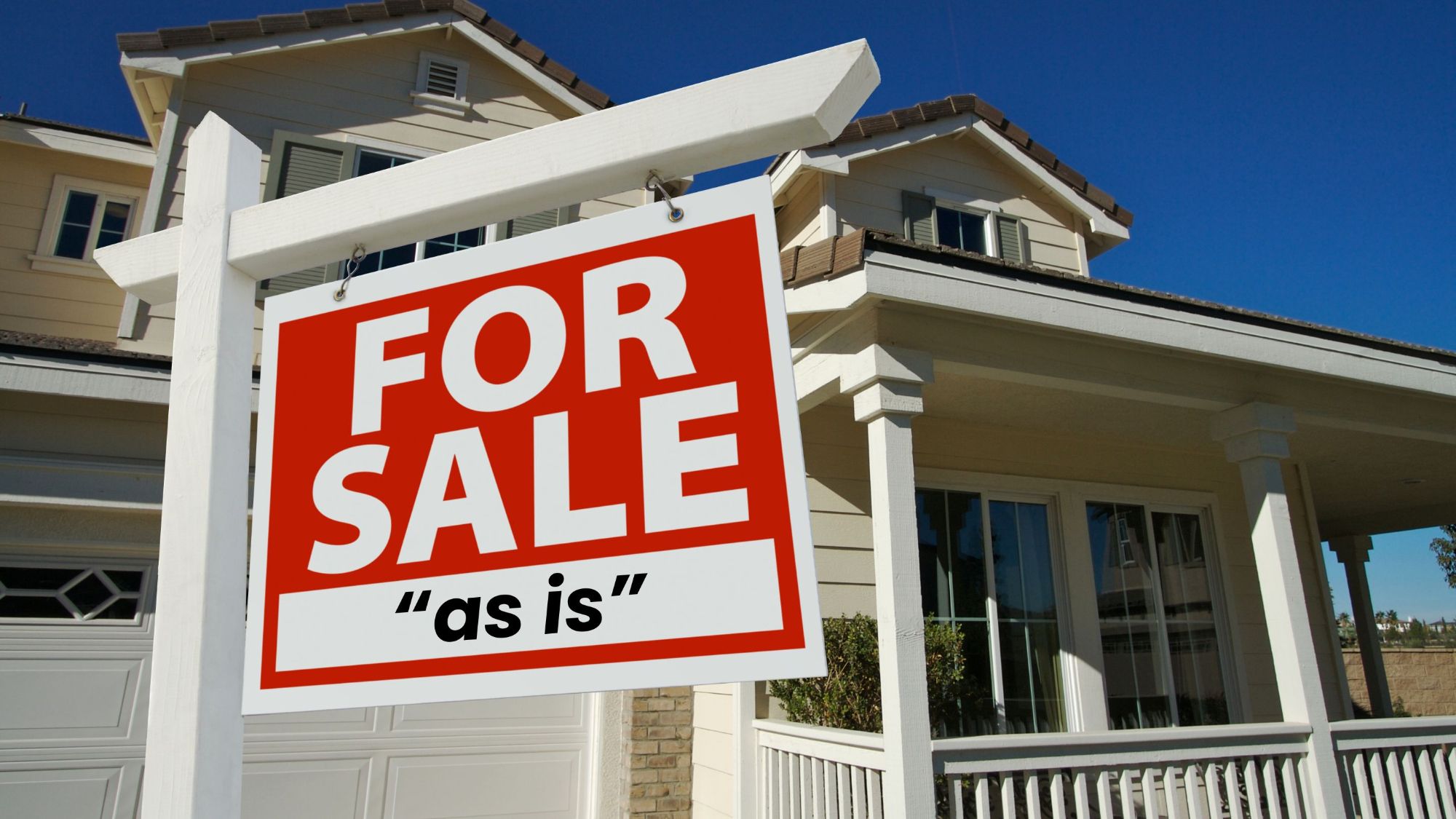
"Can we just sell it as-is?" We hear that a lot, usually from someone who has an older house, a dated kitchen, a parent's estate, or simply no interest in managing a contractor. It's a fair question, and it can be the right answer. But as-is means something more specific than most sellers think, and it changes who is going to buy your house.
I look at this from both sides. I bought my first investment property at 23, and I've renovated more than 50 houses since then. Plenty of them I bought as-is. So I know how the buyer on the other side of an as-is sale is thinking, because a lot of the time that buyer was me.
What as-is actually means
Selling as-is means you're telling buyers up front that you don't plan to make repairs. It doesn't mean you get to skip disclosure. Ohio sellers generally still fill out the Residential Property Disclosure form, and you still have to answer it honestly based on what you know.
It also doesn't stop a buyer from inspecting. In most as-is sales, the buyer still gets an inspection. The difference is that you've told them ahead of time that you won't be fixing what it finds. They can still ask, and you can still say no.
Solon doesn't require a city point-of-sale inspection, which we covered in our post on Solon's rules for buyers and sellers. That means there's no city list of required repairs standing between you and closing. Confirm the current rules with the city before you list, but in Solon the as-is conversation is mostly between you and the buyer.
Who buys a house as-is

As-is buyers usually fall into three groups:
- Owner-occupants who want a project. They're happy to take on work in exchange for a lower price and the chance to do it their way.
- Investors and renovators. They buy, renovate and resell or rent. This is the group I'm part of.
- Cash buyers who want speed. They trade price for convenience: fewer contingencies and a faster close.
Each group pays differently, and the condition of your house decides which group you're really selling to.
How an investor runs the numbers
Here's how I do it, and how most experienced investors do it. Start with what the house should sell for after it's renovated. Subtract the cost of the work. Then subtract a contingency, because walls hide surprises. In my own budgets I add at least 10%. Then subtract the holding costs while the work gets done, like taxes, utilities and insurance, plus the cost of selling it again, plus a profit that makes the risk worth taking.
A simple example with made-up round numbers, to show the math, not a Solon value: if updated homes like yours sell around $450,000 and the work runs about $60,000, the investor isn't offering $390,000. After the contingency, holding costs, selling costs and profit, the offer comes in well below that. That gap surprises a lot of sellers. It's not an insult. It's just the math.
The financing piece

Condition also decides how a buyer can pay. Traditional lenders tend to be cautious about houses that aren't livable. If your house has a problem like a furnace that doesn't work or a roof that leaks, many financed buyers will struggle to close on it, and you're left mostly with cash buyers. That's a smaller pool, and smaller pools usually mean lower prices.
A little work can change the buyer pool
You don't have to choose between fixing everything and fixing nothing. Some of the cheapest work makes the biggest difference: decluttering, cleaning, cutting the lawn and fresh paint where it's needed. We once had two homes for sale that needed about the same interior work. One had a manicured lawn and one didn't, and buyers liked the manicured one more.
What I wouldn't do is a fast, cheap renovation right before listing. Buyers recognize bargain-bin materials, and a half-done update can hurt you more than leaving it alone. We covered what's worth updating in our post on renovating before you sell.
Pricing an as-is house

Price it for the condition it's actually in, and price it in round numbers so it shows up in the most searches. A house priced as if it were updated, with "as-is" in the remarks, tends to sit. Buyers compare it to updated homes at that price and pass.
Be upfront in the listing. Say it's being sold as-is, but be careful how you phrase it, because buyers can read "as-is" as "distressed" or "desperate seller." Show honest photos. Some sellers also get a pre-listing inspection so serious buyers know what they're walking into, and so the price conversation happens early instead of after the inspection.
Before you decide
Ask for a net sheet both ways: what you'd likely walk away with selling as-is, and what you'd likely walk away with after a defined list of repairs, minus what those repairs cost you in money and time. Then think about your timeline and how much you want to manage. There's no wrong answer, only the one that fits you.
Our team's office is on Solon Road, and we're glad to walk through those numbers on your house. Schedule a time with me or someone on our team at 21mike.com.
Mike Ferrante
The Mike Team at LPT Realty
www.21mike.com
Google Business Profile: https://g.page/r/CSQoYzel0Z68EAE
+1 (216) 373-7727
Categories
Recent Posts