How Old Is Too Old for a Furnace? Twinsburg Buyer's Guide
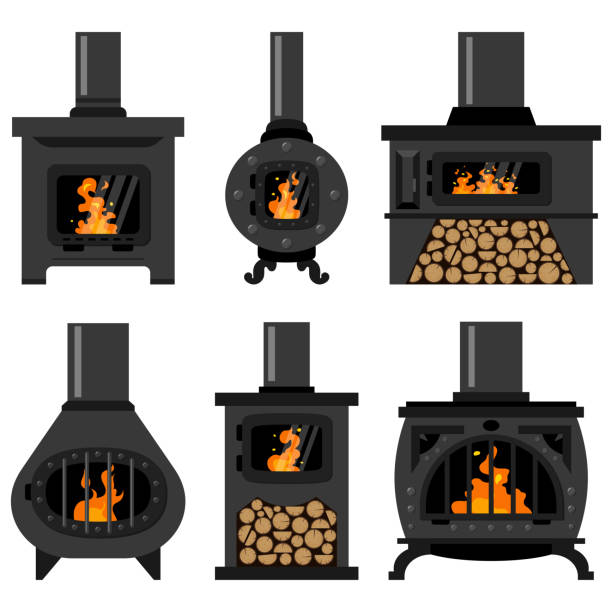
Winter is actually a good time to buy a house and look at the furnace. It's running. You can feel whether the house is warm, hear whether the system sounds right, and your inspector can test it under real conditions. The question first-time buyers ask most is simple: how old is too old?
What a furnace typically lasts
Manufacturers like Carrier and Lennox put the typical gas furnace lifespan at about 15 to 20 years, longer with good maintenance. ENERGY STAR lists a furnace more than 15 years old as a sign it may be time to consider replacing it.
So a 17-year-old furnace isn't broken. It's in the window where you should plan for a replacement instead of being surprised by one.
How to find the age
- Look at the data plate. The label inside the furnace door usually shows the model and serial number. The serial number often encodes the manufacture date, and your inspector or an HVAC company can read it.
- Ask for records. Service receipts, warranty paperwork, a sticker from the last tune-up. A seller who kept them usually took care of the system.
- Check the disclosure. Ohio sellers generally fill out a Residential Property Disclosure form. Read what it says about heating, and ask about anything that's blank.
Age isn't the whole story
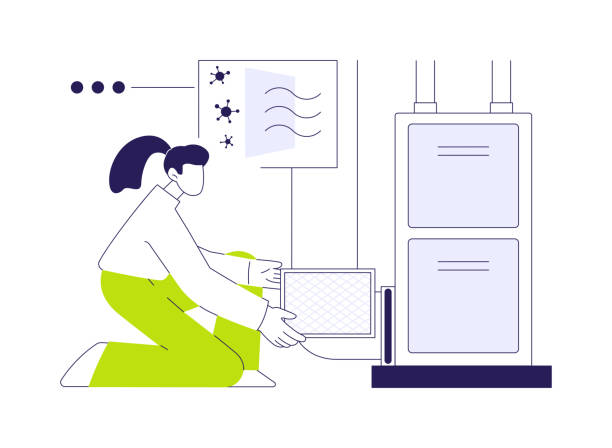
A 20-year-old furnace that's been serviced every year can be in better shape than a 10-year-old one nobody touched. What matters more: Is it heating evenly? Does it start and run without odd noises? Did the inspector note anything about the heat exchanger, the venting or carbon monoxide? Those findings change the conversation. Age alone usually doesn't.
If your inspector flags something, get an HVAC contractor out during your inspection period. A home inspector tells you something looks wrong. A contractor tells you what it is and what it costs.
What it means in negotiations
An old furnace that works is usually priced into the house already. Most sellers won't replace a working system just because of its age. A furnace that doesn't work, or isn't safe, is different. That's a real repair item. We explained how sellers tend to respond to repair requests in our post on repair requests in Akron.
This is also why we don't like seeing buyers skip the inspection. The heating system is one of the most expensive things in the house to replace. We covered the risks in our post on waiving the inspection in Twinsburg.
Twinsburg's inspection won't look at it
Twinsburg's point-of-sale inspection is exterior-only, which we explained in our post for Twinsburg buyers. The city isn't checking the furnace. Your inspection is.
A home warranty can help

When I sell a property I own, I insist on giving the buyer a home warranty. For a first-time buyer with an older furnace and no repair fund yet, a warranty can take some of the sting out of the first year. Read what it covers and what it doesn't. We went through that in our post on whether a home warranty is worth it.
One more seasonal note: buying in winter means the furnace gets tested, but the air conditioning usually can't be. We covered that side in our post on buying in Mentor this winter.
Questions to ask about the heating system
You don't have to be an HVAC expert to learn a lot. Ask the seller, through your agent, a few simple questions. When was the furnace last serviced, and by whom? Has it had any major repairs? Are there any rooms that never seem to get warm? What do the winter gas bills usually run? How old are the water heater and the air conditioner? Those two often get replaced around the same time as the furnace, and it helps to know if all three are near the end at once.
Write down the answers and compare them with what your inspector finds. If the stories match, that's a good sign. If they don't, that's a reason to ask more questions before you're past your inspection deadline.
Also check the basics on your walk-through. Look for a recent filter, signs of rust or water around the base of the furnace, and a working carbon monoxide detector. Small details like these tell you how the system has been treated. If anything looks off, point it out to your inspector so it gets a closer look. A quick question during the inspection costs nothing, and the same question after closing can cost a lot.
Plan, don't panic

If the furnace is past 15 years, ask an HVAC company for a replacement quote before closing and start setting money aside. Replacement can also involve venting changes, so get a real number instead of a guess. Then decide whether the house still makes sense at that price. For most buyers, an older furnace is a budgeting question, not a deal breaker.
Mike Ferrante
The Mike Team at LPT Realty
www.21mike.com
Google Business Profile: https://g.page/r/CSQoYzel0Z68EAE
+1 (216) 373-7727
Categories
Recent Posts