Financing an Akron Fixer: Cash, Hard Money or Rehab Loan?

Akron has plenty of houses that need work, and plenty of investors who want them. Before you fall for a fixer, answer one question: how are you paying for it? The house you can buy depends on the money you can get, not the other way around.
Cash is king
I've written before that the old saying is true: cash is king in real estate, especially with houses that need work. A cash buyer can close on a house no lender will touch, move fast, and doesn't need an appraisal to come in.
But cash has a catch. If you put every dollar into the purchase, you have nothing left when the job grows. I tell people to keep at least a 10 percent contingency in the budget, because a lot of repairs turn into bigger projects than you planned. Running out of money halfway through a rehab is worse than never starting.
Traditional loans and houses that aren't livable
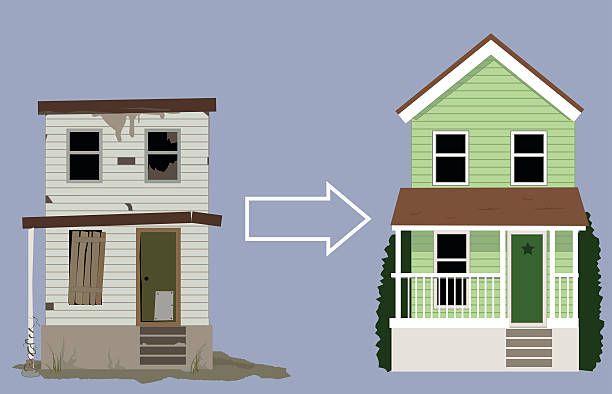
Here's where investors get stuck. Traditional lenders like banks and mortgage companies generally won't finance a house that isn't habitable. No working kitchen, no functioning bath, a roof that leaks, and a standard loan usually isn't an option. Talk to your lender before you make the offer, not after, so you know which houses you can actually buy.
Hard money
Hard money lenders will finance houses banks won't. The tradeoff is cost. They usually charge much higher interest rates and fees than a regular mortgage. That can still work for a short project with solid numbers, but every month the job drags on, the meter runs. Taxes, utilities and insurance eat into your profit too. We went through holding costs in our post on renovating a vacant Cleveland house this winter.
Renovation loans

Some loans combine the purchase and the repairs in one mortgage. Two you'll hear about:
- Fannie Mae HomeStyle Renovation. This conventional loan can be used on a one-unit investment property, not just a home you live in. Expect a bigger down payment than an owner-occupant would need, and a process with contractor bids and inspections before money is released.
- FHA 203(k). This one is only for a primary residence. It isn't for a pure investment purchase.
That second point opens a door some new investors overlook. If you're willing to live in a one- to four-unit property for a while, owner-occupant financing can make a fixer affordable that wouldn't work as a straight investment. Ask a lender which programs fit your plan.
Know your exit before you start
How you get your money back matters as much as how you borrow it. If you plan to sell, your budget has to match what buyers in that Akron neighborhood will pay. If you plan to refinance and rent, the house has to appraise high enough after the work. Either way, match the finishes to the neighborhood. We covered that in our post on renovating an Akron house to resell.
And make sure you know exactly where the house is. An "Akron" address isn't always in the City of Akron, which changes taxes and rules, as we explained in our post on Akron mailing addresses.
Build a budget a lender will believe

Whatever financing you use, the lender is going to want to see that you've thought the project through. That means a written scope of work that lists what you'll fix, room by room. It means real contractor bids, not guesses, and a realistic timeline. It means comparable sales that show what the house should be worth when you're done. And it means that 10 percent contingency sitting right there in the numbers.
Putting that package together before you make an offer does two things. It makes lenders more comfortable lending to you, and it forces you to find out early whether the deal actually works. If you can't make the budget add up on paper, it won't add up once the walls are open.
Keep the package after you buy, too. Updating it as bids come in and work gets done is the easiest way to see whether you're on track or drifting over budget.
One more tip: talk to more than one lender. Terms, fees and requirements vary a lot, especially for hard money and renovation loans, and a few phone calls can save you real money over the life of a project.
My order of operations
Talk to the lender. Know your cash and your contingency. Then go shopping. I bought my first investment property at 23 and have renovated more than 50 houses since, and the projects that go sideways usually started with a house first and a money plan second.
If the numbers only work with cheap money and a perfect project, keep looking. Akron will have another house.
Mike Ferrante
The Mike Team at LPT Realty
www.21mike.com
Google Business Profile: https://g.page/r/CSQoYzel0Z68EAE
+1 (216) 373-7727
Categories
Recent Posts