Knob-and-Tube Wiring in a Cleveland House: Should You Buy?

Cleveland is full of older homes with great woodwork, plaster walls and solid bones. A lot of them were built when knob-and-tube wiring was the standard. So if you're buying an older house in the city, there's a real chance the inspection report mentions it. Here's how to think about it.
What knob-and-tube is
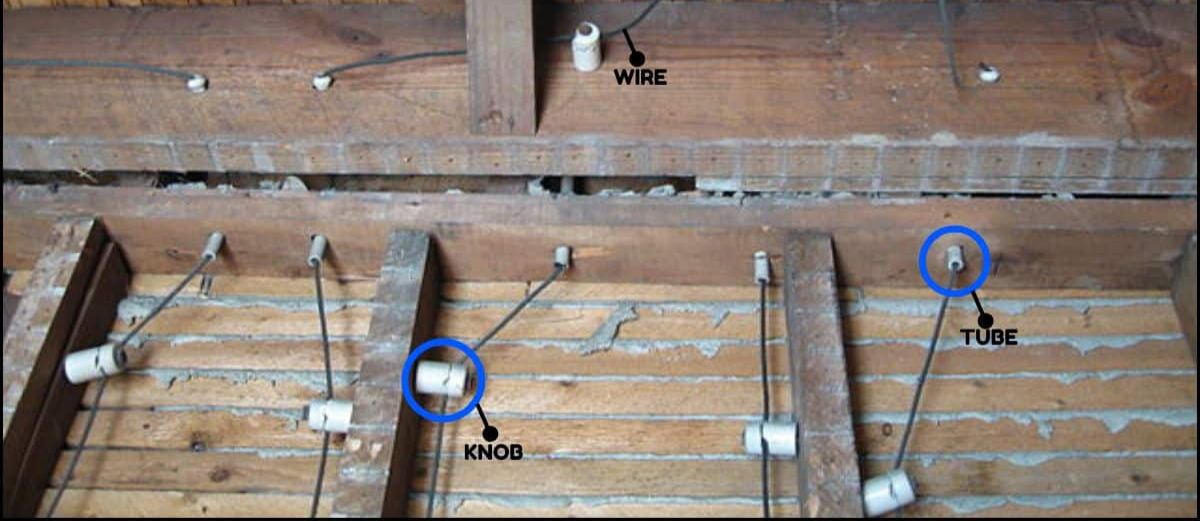
Knob-and-tube was a common way to wire houses from roughly the 1880s into the 1940s. The wires run through ceramic knobs and tubes in the walls and floors instead of inside a modern cable. You'll often spot it in the basement or attic.
Is it dangerous?

Not automatically. Plenty of home inspectors and electricians will tell you original knob-and-tube that's intact and undisturbed can still work. The problems come from what's happened to it over the last 80 or 100 years:
- No ground. It wasn't built for grounded outlets, which matters in kitchens, baths and anywhere near water.
- Insulation. Blown-in insulation packed around the wires can trap heat they were designed to release.
- Amateur work. Old splices, extensions and "fixes" by past owners are where a lot of the risk lives.
- More demand. Houses use a lot more electricity than they did in 1925.
The insurance question comes first
This is the part buyers don't expect. Some insurance companies won't write a policy on a house with active knob-and-tube, and others will only do it after an electrician's inspection or at a higher price. Your lender requires homeowners insurance. So the wiring can affect your loan, not just your safety.
Call your insurance agent during the inspection period, tell them what the inspector found, and get an answer in writing. Don't wait until a week before closing.
Get an electrician, not just an inspector
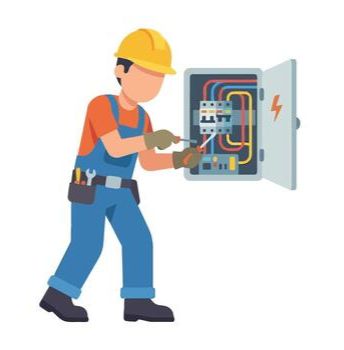
A home inspector will usually note that knob-and-tube is present and recommend a licensed electrician. Do it. The electrician can tell you how much is still live, what condition it's in, and what it would cost to replace part or all of it. In plaster-walled houses, a lot of the wiring is hidden, so an honest estimate matters.
I wrote years ago that unless you really know a trade, don't do it yourself. I said that about renovations in general, and it goes double for wiring.
What to do with the answer
You have three options:
- Buy it as is if the system is limited, in good shape, and you can get insurance at a price you can live with. Plan to replace it over time.
- Negotiate using the electrician's estimate. A real number from a licensed contractor is much stronger than "the inspector said it's old."
- Walk away if you can't get insurance, the wiring has been badly modified, or the repair cost breaks your budget.
For a first-time buyer without a repair fund, option three is sometimes the right answer, even on a house you love.
A Cleveland note
Cleveland doesn't run a point-of-sale inspection on occupied homes, so nobody from the city is checking the wiring before you buy. Your inspection is your protection. If you're thinking about renting the house out later, Cleveland's Lead Safe rules come into play too, which we covered in our post on Lead Safe certificates and rehab budgets.
Other old-house items to check while you're at it

Knob-and-tube rarely shows up alone. If the wiring is that old, ask your inspector and electrician about a few related items. How big is the electrical service, and does the panel have room for what you'll add, like central air or a modern kitchen? Are the outlets grounded, and are there GFCI outlets near water? Has anyone added wiring in a way that looks unprofessional?
Older Cleveland homes often bring other questions too. Homes built before 1978 come with a federal lead-based paint disclosure, so read it. Ask about the age and material of the water lines, and consider a camera inspection of the sewer line from the house to the street. None of these has to be a deal breaker. They just belong in your numbers before you sign, the same way the wiring does.
Get each of these answers in writing during your inspection period, along with the electrician's estimate, so you can make one clear decision about the house instead of a series of small surprises after you own it. If the answers come back reasonable, you can buy with confidence. If they don't, you'll know exactly why you walked away.
The bottom line
Our team weighs every purchase on value, condition, cost, risk, and what happens next. Knob-and-tube touches all five. It doesn't have to kill the deal, but it has to be in your numbers before you sign. If you're sorting through a long inspection report on an older home, start with our post on reading an Akron inspection report.
Mike Ferrante
The Mike Team at LPT Realty
www.21mike.com
Google Business Profile: https://g.page/r/CSQoYzel0Z68EAE
+1 (216) 373-7727
Categories
Recent Posts