"How We Work" Series — Point of Sale Inspections and RPD, by City
"How We Work" Series — Point of Sale Inspections and RPD, by City
By Mike Ferrante, Broker Associate, Mike Team at LPT Realty
Two Different Forms, Two Different Purposes, and Why the Difference Matters
People mix these up constantly:
I hear it in almost every closing conversation: someone refers to "the disclosure" and means the city inspection, or refers to "the inspection" and means the seller's disclosure form. They are not the same thing, they do not come from the same place, and mixing them up is how a seller gets caught off guard partway through a transaction. A point of sale inspection comes from the city. A Residential Property Disclosure form comes from the State of Ohio, filled out by the seller. Knowing which one applies, and when, is part of the job.
Point of sale inspections are a city decision, not a state one:
Whether a home needs a point of sale inspection before it can change hands depends entirely on which municipality it sits in, not on the price of the home, not on the county, and not on anything about the buyer. Cleveland Heights, Shaker Heights, Lakewood, Euclid, and Garfield Heights are examples of Northeast Ohio cities that require one before a sale can close. Plenty of neighboring cities don't require anything of the kind. Since we list and sell across dozens of cities in this region, knowing which ones have this requirement isn't a nice-to-have, it's something we check the moment a listing comes in, not something we find out partway through a transaction.
What actually happens during one of these inspections:
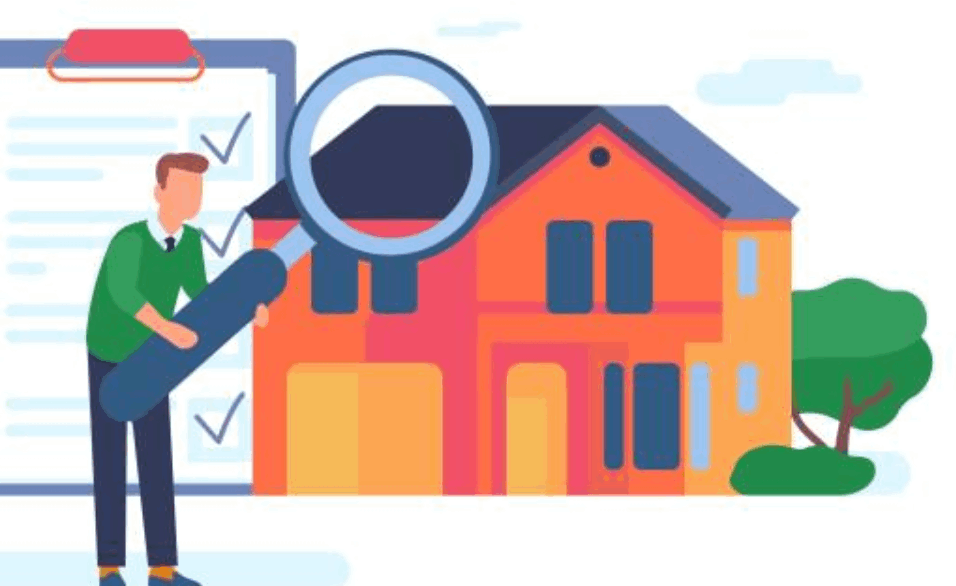
When a city requires a point of sale inspection, an inspector comes out and checks the property against that city's code, things like exterior maintenance, handrails, downspouts and drainage, smoke detectors, and similar safety items. If something doesn't pass, the city typically won't sign off on the transfer until it's fixed, or until money is set aside to cover the fix after closing. It's not optional and it's not negotiable with the city, which is exactly why we build it into the timeline early instead of treating it as a formality.
The Residential Property Disclosure form is a completely separate document:
The RPD is not a government inspection of anything. It's a form the seller fills out themselves, based on what they personally know about the condition of the property, water issues, roof problems, mechanical systems, that kind of thing. Ohio requires it on most residential sales, and it exists so a buyer isn't relying only on what they can see during a walkthrough. It protects the buyer, and honestly, filled out honestly, it protects the seller too.
When a seller doesn't have to fill one out:
There are specific situations where Ohio law doesn't require an RPD at all. A foreclosure sale is one, since a bank or lender was never the one living in the house and can't disclose what it doesn't know. An inherited or estate property is another, when the person selling it never actually lived there. New construction that's never been occupied, a sale to someone who has already lived in the home for at least a year, a court-ordered transfer like part of a divorce settlement, and government transactions round out the list. These are narrow exceptions, not a way around disclosure in general, and we walk every seller through whether one actually applies before assuming it does.
What we do when a seller doesn't want to fill one out:
Outside of those exemptions, a seller is expected to complete the form, and if someone pushes back on that, our approach is the same one we use for documentation generally: we don't skip it, and we don't let it go unaddressed. We explain why it exists, what it's protecting them from as much as the buyer, and we make sure however that conversation goes, it's in writing. We're not attorneys, so if a seller has a real legal question about their disclosure obligations, we point them to one rather than guessing on their behalf.
The Beachwood story that keeps this real for me:
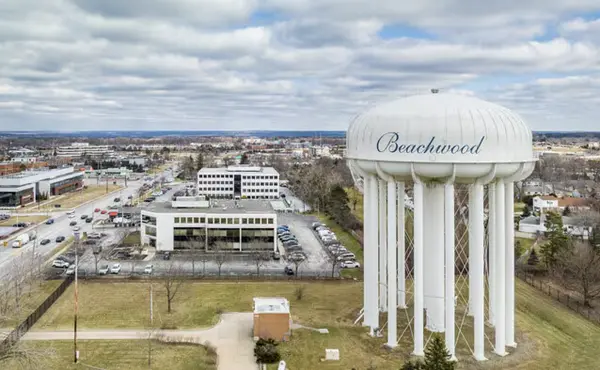
I've had my own experience with exactly this kind of issue, not as an agent, as a homeowner. After I closed on a home in Beachwood, a downspout and basement water problem turned up that hadn't been obvious during the process. It's one thing to explain to a client why disclosure and inspections matter. It's another to have lived through finding out after the fact what wasn't caught beforehand. That experience is part of why I take this seriously enough to teach it in a CE class, not just handle it on paper.
This has to be a team-wide checklist, not something one agent happens to know:

With Mike Team working listings across so many different cities, this can't live in one person's head. Whichever one of us takes a listing, checking that city's point of sale requirement is one of the first things that happens, not something discovered when a closing gets delayed. The same goes for RPD exemptions, we don't leave it to memory whether a particular sale qualifies, we check it every time. That consistency is what lets a client work with any of us and get the same careful process.
Why this matters more than it sounds like it should:
Nobody picks an agent because they know which city requires a point of sale inspection. But the client who finds out three weeks before closing that their city requires one, and nobody flagged it, feels that gap immediately, and it's not a good feeling right before a move. Getting this right up front doesn't make the sale, it just keeps it from getting derailed by something that was entirely knowable from day one.
Let's talk, on your terms:
Text, call, or email, whichever is easiest for you, and you will hear back from a real person quickly. Call or text +1(216)373-7727, email me at mike@21mike.com, visit www.21mike.com, or find the Mike Team on Google at https://g.page/r/CSQoYzel0Z68EAE.
Categories
Recent Posts