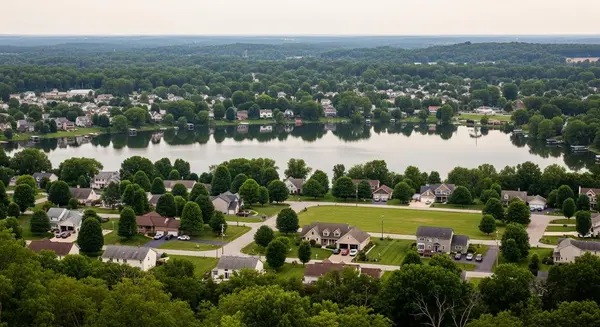
Buying on the Lake in Mentor? Check the Coastal Erosion Map Before You Fall for the View

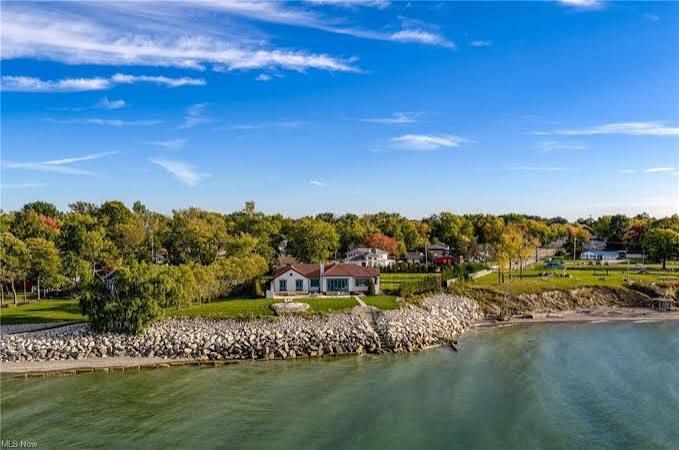
A home on Lake Erie is about as good as it gets in Northeast Ohio. The sunsets are real. So is the lake. Along parts of our shoreline, Lake Erie is slowly taking land back, and the State of Ohio tracks exactly where. If you're shopping for a lakefront or bluff-top home in Mentor, or anywhere along the Lake County shore, this belongs on your checklist before you write an offer.
What a Coastal Erosion Area is
The Ohio Department of Natural Resources maps the Lake Erie shoreline and designates "Lake Erie Coastal Erosion Areas." According to ODNR, these are areas of land expected to be lost to Lake Erie erosion within a 30-year period if nothing is done to prevent it.
This isn't a small issue. Reporting on ODNR's mapping described roughly a third of Ohio's Lake Erie coast as receding to some degree, and the state's hazard mitigation plan notes that major storms have eroded high bluffs in Lake, Cuyahoga, Erie and Ashtabula counties.
Mentor has dealt with it directly
In 2019, coverage of ODNR's updated erosion maps noted that Mentor turned to retaining walls under an emergency measure to protect Mentor Beach Park, installing about 500 feet of erosion control. When a city has to act on an emergency basis, it tells you how real the issue is along this stretch of shore.
Why it matters to a buyer
- Disclosure. If any part of a property is in a Coastal Erosion Area, the seller has to tell you on Ohio's Residential Property Disclosure Form. ODNR notes this applies to properties both on and off the lakefront. Read that section carefully, and the drainage and erosion section after it.
- Permits. An ODNR permit is required before building a new structure or septic system in the designated area, or an addition of 500 square feet or more measured at ground level. If your plans include a bigger kitchen or a new garage, that's a real factor.
- Long-term value. Land in a designated area is land the state expects to lose without protection. That doesn't make a home a bad buy. It does make the shoreline protection, and its condition, part of what you're paying for.
The lakefront checklist
- Look up the parcel on ODNR's Coastal Erosion Area maps before you schedule a second showing.
- Read the disclosure form line by line, especially the Coastal Erosion Area and drainage and erosion sections.
- Inspect the shoreline, not just the house. A home inspector isn't a coastal engineer. If there's a seawall, revetment or retaining wall, have someone qualified evaluate its condition and expected life.
- Ask for permit history on any shoreline structures and additions.
- Talk to your insurance agent early. Ask what your homeowner's and flood policies would and wouldn't cover when it comes to erosion and bluff movement, and get it in writing.
Questions to ask the seller
- Has any part of the property been designated a Coastal Erosion Area?
- What shoreline protection is in place, when was it built, and who built it?
- Has there been any erosion, bluff movement or slumping while you've owned the home?
- Have you had any work done on the shoreline, and were permits pulled?
- Are there any surveys or engineering reports on the bluff or seawall?
Ask for any documents the seller has, too: surveys, engineering reports, contractor invoices and permits. Paperwork on a seawall or retaining wall is worth a lot, because it tells you how it was built and what it was designed to handle.
The answers won't replace your own inspections, but they tell you where to look, and the disclosure form should line up with what the seller tells you. If something doesn't match, ask more questions before you go further.
Lakefront, lake view or lake access
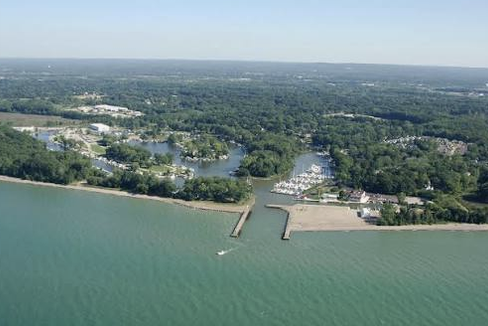
Not every buyer who loves the lake needs to own the shoreline. Lakefront gives you the most direct connection to the water and the most responsibility for it. A lake-view home or a home with community lake access can deliver a lot of the lifestyle with less of the risk. Tour all three before you decide what the water is worth to you, and to your budget over the long run.
Due diligence is the luxury
At this price point, the extra inspection and the extra phone calls are a small cost compared to what they protect. A shoreline evaluation might cost a few hundred dollars. Repairing or replacing a failing seawall can cost far more than that. The goal is to have every shoreline question answered before your inspection period ends, while you still have options.
If you're shopping lakefront in Mentor, Mentor-on-the-Lake or anywhere along the Lake County shore, we'll help you build the checklist and inspection plan around the specific property. Schedule a time with me or someone on our team at 21mike.com.
Mike Ferrante
The Mike Team at LPT Realty
www.21mike.com
Google Business Profile: https://g.page/r/CSQoYzel0Z68EAE
+1 (216) 373-7727
Categories
Recent Posts