Buying a Home in Ohio? What Your Buyer Agreement Really Means
Buying a Home in Ohio? What Your Buyer Agreement Really Means

If you've started looking at homes in Ohio, you may have been surprised when an agent asked you to sign something before showing you a single house. That's not the agent being pushy. It's the law.
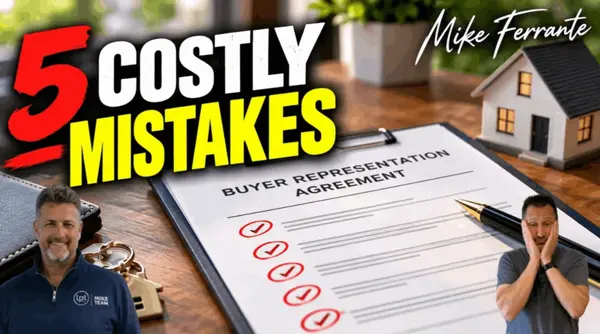
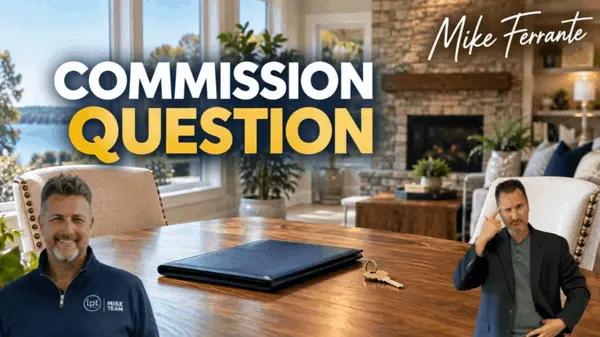
Buyer agreements are still new to a lot of people, and there's plenty of confusion about what they mean. On a recent training, Mike Pillow from our team and I talked about the mistakes agents make with these agreements. Here's what buyers should know.
A quick note: we're real estate agents, not attorneys. This is general information, not legal advice.
Why you have to sign something first
Ohio law, which took effect in October 2024, requires a written agreement between a buyer and an agent before the agent shows you a home. It also became a rule for REALTORS nationwide after a major industry settlement.
The agreement spells out the relationship: whether the agent represents you and how they'll be paid. In Ohio, it also has to say clearly that fees and commissions aren't set by law and are fully negotiable.
The types of agreements
You'll usually see a few options, though names vary by company:
- Exclusive agreement. You work with one agent who represents you. This is the highest level of commitment and service.
- Non-exclusive agreement. The agent represents you, but you're free to work with others too.
- An agreement for a showing without representation. The agent can open the door, but they aren't your agent and aren't advising you.
If you sign an exclusive agreement, honor it. Touring homes with a second agent behind your first agent's back creates problems for everyone, including you.
The fee in your agreement is a maximum

This is the most important thing to understand. The compensation written in your agreement is the most your agent can be paid. Under Ohio law, your agent's brokerage can't accept more than the amount in that agreement.
The way I explain it: it could always be less, but it can't be more. That number is your protection.
It also helps explain why a good agent won't write zero. In many sales, the seller agrees to pay some or all of the buyer's agent fee. If your agreement says zero, your agent can't accept that, even when the seller is offering it.
Who actually pays your agent
The agreement says how your agent will be compensated, but that doesn't always mean the money comes out of your pocket. Fees can be paid by any party to the transaction. Often, the seller agrees to cover some or all of the buyer's agent fee, and your agent can also ask for it as part of your offer.
If you don't have extra cash for this, say so up front. A good agent will explain your options and structure offers with that in mind.
The number should be clear and specific
Your agreement should state a clear amount, whether that's a percentage, a flat fee, or another arrangement. It shouldn't say something open-ended like "plus any bonus a seller offers." If you're unsure what you'd owe in different scenarios, ask your agent to walk you through them before you sign.
Why a good agent is worth it

From the outside, it can look like agents just open doors. The reality is that working with buyers takes a lot of hours, and much of that time never gets paid. I recently spent nine hours in a single day with an out-of-town buyer. We wrote an offer, it was accepted, and after inspections she decided to rent instead.
What you're paying for is everything behind the scenes: finding the right homes, scheduling showings, pricing advice, negotiation, inspections, and keeping the deal together through closing. In a buyer consultation, an agent should show you exactly what they'll do for you before you sign anything.
Going without an agent won't always save you money
Some buyers assume that if they skip having an agent, the seller will knock the buyer agent fee off the price. Not necessarily. The listing agent already has an agreement with the seller, and if they end up working with an unrepresented buyer, that's more work and more liability for them.
More importantly, you'd be going into one of the biggest purchases of your life without anyone on your side. One of my own early purchases was a for-sale-by-owner home with no agent. I ended up buying a house that had previously been condemned, and nobody told me.
Questions to ask before you sign
- Is this an exclusive or non-exclusive agreement?
- How long does it last, and can I end it early?
- What is the most I could owe, and when would I owe it?
- What happens if the seller agrees to pay some or all of your fee?
- What will you do for me in exchange?
A good agent will answer every one of these clearly. If you're thinking about buying in Northeast or central Ohio, schedule a buyer consultation with me or someone on our team at 21mike.com. For more on the Ohio law itself, see this overview from Ohio REALTORS.
Want to hear the full conversation? Watch our training on buyer agreements.
Mike Ferrante
The Mike Team at LPT Realty
www.21mike.com
Google Business Profile: https://g.page/r/CSQoYzel0Z68EAE
+1 (216) 373-7727
Categories
Recent Posts