The Choice Close, the Forever Home Question, and Other Small Moves That Win Appointments
The Choice Close, the Forever Home Question, and Other Small Moves That Win Appointments

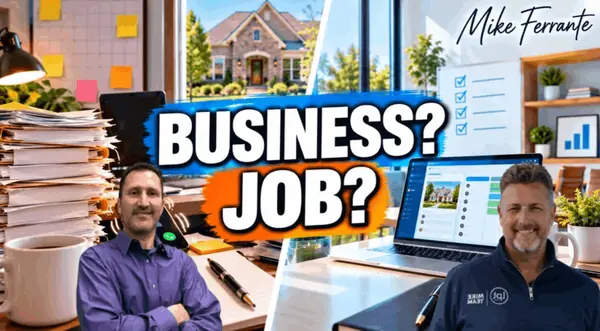
Every Saturday morning, a group of agents from different brokerages and different states get on a Zoom together and roleplay real scripts, live, out loud, in front of each other. Most weeks we turn our cameras off since we're practicing phone calls, not video calls. This time my teammate Mike Pillow and I left the cameras on so you could actually see what one of these sessions looks like, two full scripts, a debrief after each one, and the small moves that turn a cold call into a real appointment. You can listen to the whole thing on our podcast, Free Beer and Real Estate.
Why We Practice Out Loud
Roleplay is a perishable skill. If you don't keep working it, you lose it, the same way a basketball player still shoots free throws at the end of practice even after years in the league. The point isn't to memorize a script word for word. It's to get to the place where you're not thinking about what to say next, the same way a free throw shooter stops hearing the crowd and just executes. What makes our Saturday sessions valuable isn't just repetition, though. It's that agents from completely different markets show up and teach each other lines you'd never come up with on your own. One of the best lines in this session came from an agent named Lee up in New York. Another regular, Scott, calls in from San Antonio. We all do the same job, but hearing how someone three states away handles the same objection is where the real growth happens.
Turning "Who Is This?" Into an Appointment
The first script we ran was lead follow-up, the call every agent dreads when a lead requests info on a specific address and then barely remembers making the request by the time you call back. The instinct when someone sounds annoyed or confused is to get defensive or over-explain. Don't. Stay upbeat, remind them which property it was in a natural way, like mentioning a specific feature, and keep moving the conversation forward instead of getting stuck justifying the call.
The tougher objection in that call was "are you the listing agent?" It's a common assumption that going straight to the listing agent gets a buyer a better deal, and it's worth having a real answer ready instead of just saying no. The analogy that works well here: ask the buyer who they think the listing agent is actually representing, them or the seller. Once they land on "the seller," point out that having the listing agent represent both sides is a bit like having the same person serve as your defense attorney and the prosecuting attorney in your own case. It's not a great mix, and most people get the point immediately without you having to argue with them about it.
Reading the Real Motivation Behind a Weird Question
Sometimes the question that seems the most beside the point is actually the doorway to the real conversation. In this call, the buyer asked about keeping chickens on the property, which led to a conversation about wanting more land and getting away from close neighbors, which led directly to the fact that they currently own a small ranch home on a tight lot they'd need to sell first. None of that comes out if you just answer the chicken question and move on. Following genuine curiosity about why someone wants what they want is what surfaces a listing opportunity hiding inside what looked like a simple buyer call.
The Choice Close vs. the Calendar Dance

Once you've got someone talking, get the appointment on the calendar early, and do it with a choice close. Instead of asking an open-ended "when works for you," which usually turns into a back-and-forth of proposed times that don't land, offer two specific options: does 3:30 work, or does 5:30 work better? That avoids what we call the calendar dance, where you throw out a time, they counter, you counter back, and you both waste five minutes negotiating a meeting instead of just having one. A choice close also quietly signals that you're busy and in demand, which is true, and which clients respect.
Seal It With a Calendar Invite
After you've got the appointment set, get the best email address, not just a number, and send a calendar invitation along with your usual text follow-up. That combination makes someone dramatically more likely to actually show up for the appointment instead of forgetting about it or flaking. It's a small extra step that costs you almost nothing and meaningfully protects the appointment you just worked to get.
Turning "I'm Not Selling" Into a Future Lead
The second script was circle prospecting, calling around a listing or a past sale to drum up more business in the neighborhood. This call started with a flat "I'm not selling my house," which is exactly the kind of smoke screen that shows up constantly in cold outreach. Instead of pushing against it, we used a line borrowed from Lee in New York: "Are you in your forever home?" That question doesn't challenge the brush-off, it just quietly tests whether it's actually true. In this case it worked immediately. The homeowner admitted he's planning to move once he retires, in about two years.
Dig for the Real Timeline
A lot of agents would have heard "not selling" and moved on. The better move is to keep asking genuine questions once you sense there's more to the story. Where are you thinking of moving? What's drawing you there? Those questions aren't just filler, they build rapport and they tell you how real and how urgent the eventual move actually is. In this case, the answer revealed a specific, two-year runway instead of a vague someday, which completely changes how you follow up.
A Simple Scale Question That Gets Real Answers

One tool worth stealing from this call: when you want to understand a home's condition without sounding like you're grading someone's life choices, ask them to rate their own home on a scale of one to ten, where ten is brand new construction and one is a full rehab. It's an easy, non-judgmental way to get someone talking specifically about flooring, a leaning garage, or whatever else still needs work, and it gives you real information to work with later instead of a vague sense that the house is "fine."
Play the Long Game
Not every call ends in an appointment, and that's fine. If someone's timeline is two years out, the win isn't converting them today, it's staying in their pipeline. Ask permission to send occasional updates, a light monthly newsletter about the neighborhood and pricing, not a hard sales drip. Getting a yes to that is still a real result from the call. The value shows up later, as long as you actually follow through and stay in touch instead of letting the contact go cold.
What the Debrief Actually Looks Like
After each call, we do what we call good jobs and next times: what worked, and what could be sharper next time. A couple of things worth normalizing here. First, small stumbles are fine and honestly preferable to sounding too polished. If a call sounds too smooth and rehearsed, it starts to sound like a script being read rather than a real conversation, and people can feel that. Second, the best next times usually aren't about a missed close, they're about a missed chance to dig deeper. In the circle prospecting call, the one thing worth doing differently was asking what the caller actually did for a living before retirement. That single question could have surfaced even more common ground, or even another lead, and it's an easy thing to remember for next time.
Join Us Saturday

If you want to sharpen a script you're already using, or you just want a low-pressure place to get your reps in with agents outside your own market, we run this every Saturday from 8:30 to 9:30 Eastern, open to any agent regardless of brokerage or experience level. Email me at mike@21mike.com and I'll add you to the invite. And if you're looking for training like this every week, join us for Tuesday training too.
Mike Ferrante
The Mike Team at LPT Realty
www.21mike.com
Google Business Profile
+1 (216) 373-7727
Categories
Recent Posts