
Credit Scores and Buying a Home: What Really Helps and Hurts Your Score

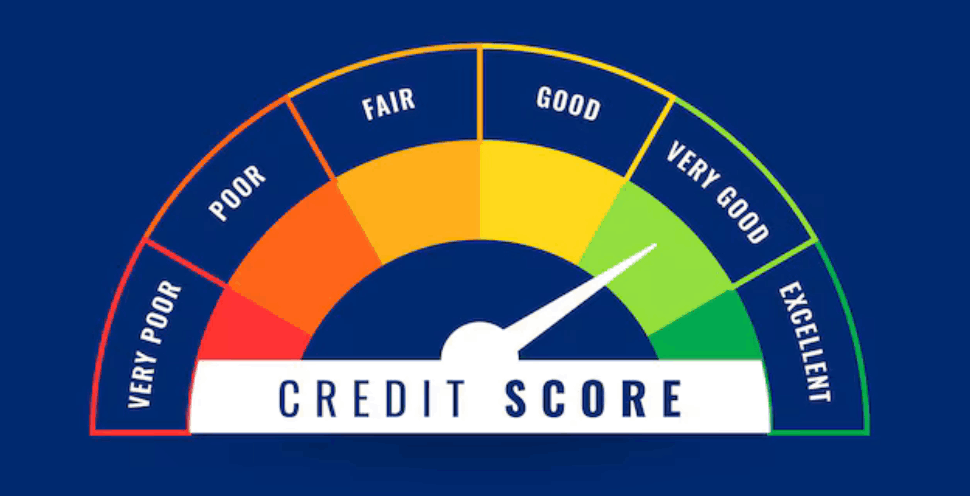
I'll be honest about something. As a younger man, I was terrible with credit. My score was in the 500s, and it took real work to get it where it is today.
So when I sat down with my longtime friend Bob Willis on my show, Best Advice Ever, I had plenty of questions. Bob is an attorney and the founder of Credit Repair Resources, which has been helping people fix their credit since 2007. He's also someone I've worked with on both sides. I've been a client of his company, and I've sold Bob two homes.
If you're thinking about buying a home, here's what Bob taught me about how credit really works.
Your score matters for more than your mortgage
The obvious reason to care about your credit is a loan. A better score usually means a better interest rate, because lenders price loans based on risk.
But Bob pointed out that credit affects much more. Some employers check credit before hiring. It can also affect what you pay for homeowners insurance and car insurance. Even if you're not buying a house this year, your credit is costing or saving you money.
The number that opens the most doors
Buyers hear minimum scores thrown around all the time, and lenders have different programs at different levels. Bob has heard of loans available with scores as low as 580, though not loans he thinks most people would want.
The number he focuses on is 760. It's even in his company's web address. According to Bob, and the mortgage professionals he recently checked with, once you're at 760 or higher, you're generally getting the best loan pricing available. There's no need to fight your way from 760 to 780.
What makes up your score
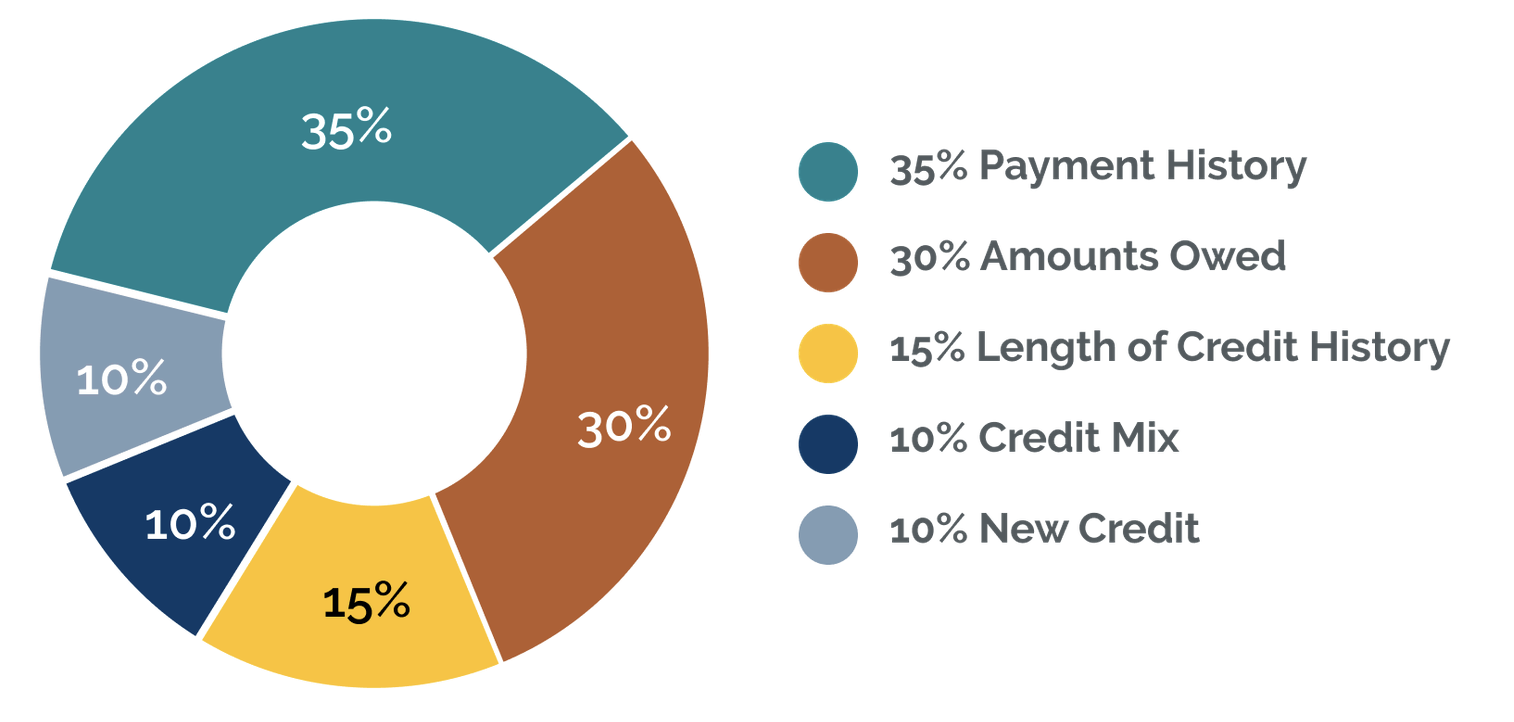
There are two main scoring companies, FICO and VantageScore, and dozens of versions of each. For mortgages, lenders typically use classic FICO scores, which top out at 850. Here's how a FICO score breaks down:
- Payment history: 35%. Paying on time matters more than anything else.
- Amounts owed: 30%. This includes how much of your available credit you're using.
- Length of credit history: 15%. Older accounts help.
- New credit: 10%. Opening new accounts can lower your score.
- Credit mix: 10%. A variety of account types helps, like a car loan and a credit card rather than only student loans.
Keep your credit card balances low
How much of your credit limit you're using matters a lot. Bob recommends keeping credit card balances at or below 10% of the limit. Once a balance goes over 30% of the limit, he says it's actually hurting your score.
Bob has seen two perfect 850 scores in his career. Both belonged to people over 50, and both had a similar mix: a mortgage, a car loan, and two credit cards, all paid on time, with card balances under 10%. The one thing you can't rush is time.
Don't close your old cards

This one surprised me. If you have a credit card you've had for 20 years and you close it, you shorten your credit history, which makes up 15% of your score.
Keep old cards open, and use each one occasionally so the issuer doesn't close it for inactivity. Bob puts a sticky note on each card in his drawer with the date he last used it. About once a year he uses each one for something he'd buy anyway, like gas.
Watch what happens when you pay off a loan
A colleague of Bob's paid off his car loan, which felt like a win. Then he bought a new car. When he checked his score, it had dropped about 40 points.
He'd closed an old, solid account, which shortened his credit history, and added a brand new loan, which counts as new credit. Together, that single move touched about 25% of his score. If you're planning to buy a home soon, talk to your lender before making big credit moves.
Shopping for a mortgage won't wreck your score
A lot of buyers worry that having several lenders check their credit will hurt their score. Bob explained that for mortgages and car loans, there's a shopping window. Multiple inquiries for the same type of loan within that window count as one. The length of the window depends on the scoring model, so it's smart to keep your rate shopping within a couple of weeks.
Bob also thinks people worry far too much about inquiries in general. A single inquiry might cost a point or two. Inquiries only become a real problem if you're applying for credit constantly.
It helps to know the difference between the two types. A hard pull happens when you apply for credit, like that store card offering $100 off at checkout. A soft pull happens when you check your own credit, and it doesn't affect your score at all.
The mistakes that hurt the most

According to Bob, one of the biggest hits is a payment that's 30 days late. Paying a day or two late may earn you a late fee, but it usually won't be reported. Thirty days late is different.
A 30-day late mortgage payment is devastating. Bob has seen it drop scores by 80 points or more. His advice if money is tight: your utility companies are often more understanding than your mortgage company or credit card issuers. Talk to them about stretching a payment, but protect your mortgage, car, and credit card payments.
No credit is a problem too
If you're just out of school or have never used credit, you may have what Bob calls a thin file. His own daughter graduated from college with a score in the 500s, not because she'd done anything wrong, but because there was almost nothing on her report.
He had her open a credit card and use it carefully. About six months later, she called him thrilled that her score was in the 700s. You have to have credit to build credit. If you can't qualify for a regular card, a secured card is a good place to start.
Check your credit at least once a year
Bob's biggest request: if you haven't looked at your credit report in the past 12 months, go look today. Problems are much easier to fix when you catch them early.
You can get free reports from all three bureaus, Experian, TransUnion, and Equifax, at annualcreditreport.com, and you can now check more often than once a year. Those reports don't include your score. Bob also uses Credit Karma, which is free and shows two of the three bureaus, though it uses a VantageScore rather than the FICO score most mortgage lenders use. His advice is to focus on the data. Take care of what's on your report, and the score will take care of itself.
Getting ready to buy
If you're planning to buy a home and aren't sure your credit is ready, start early. Talk with a lender, check your reports, and if something needs to be fixed, give yourself time. When we work with buyers who need help with their credit, we connect them with people we trust, and we stay in touch until they're ready.
If you're thinking about buying in Northeast or central Ohio, schedule a time with me or someone on our team at 21mike.com. You can learn more about Bob's company at CRR760.com.
Want to hear the full conversation? Watch my interview with Bob Willis on Best Advice Ever.
Mike Ferrante
The Mike Team at LPT Realty
www.21mike.com
Google Business Profile: https://g.page/r/CSQoYzel0Z68EAE
+1 (216) 373-7727
Categories
Recent Posts