What Is My Solon Home Really Worth? Why Automated Estimates Get It Wrong
What Is My Solon Home Really Worth? Why Automated Estimates Get It Wrong
By Mike Ferrante, Broker Associate, Mike Team at LPT Realty
Almost every Solon seller I talk to has already looked up their home's value online before we ever speak. I don't blame anyone for being curious, but I'd rather you understand why that number is often wrong before you anchor your expectations to it.
Why an algorithm struggles in a market like Solon
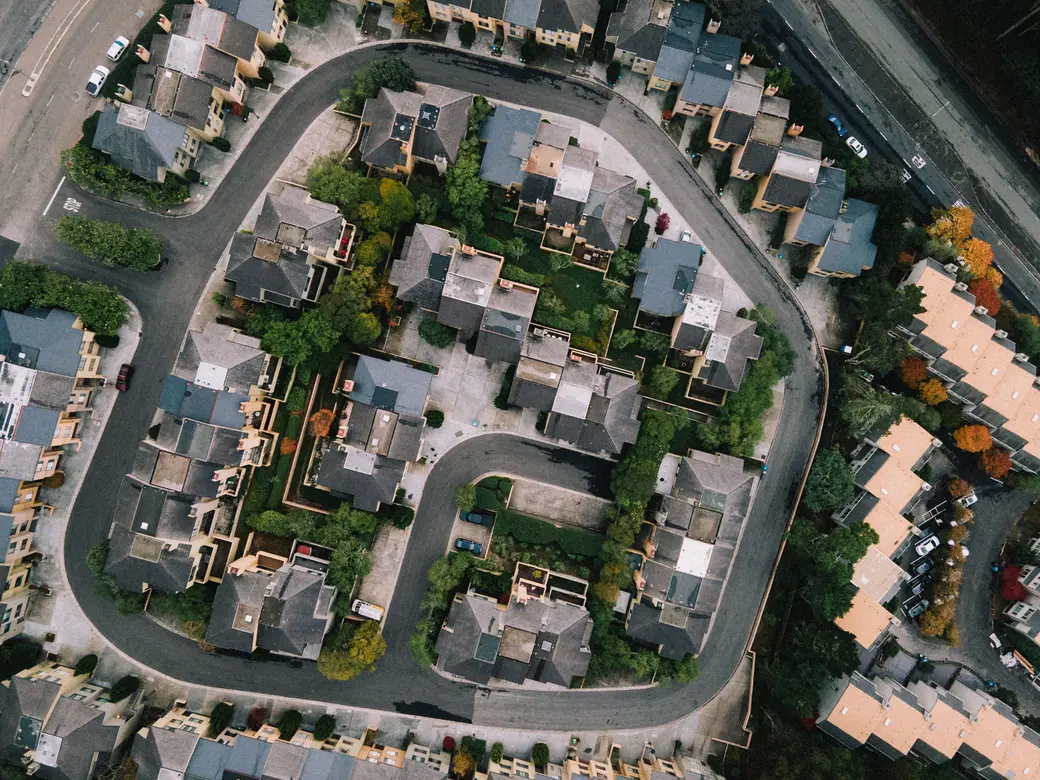
Automated home value tools work from public records and recent sales, but they can't walk through your house. They don't know that you finished the basement, replaced the roof three years ago, or that the kitchen hasn't been touched since the home was built. Solon has a lot of variation within the same subdivision, colonials and split-levels from the same era that have aged very differently depending on how they were maintained and updated. An algorithm averages that variation away, but a buyer walking through your house won't.
What actually sets the number
Real comparable sales, adjusted for condition, updates, lot, and location within the district, are what set an accurate price. Two homes on the same street can be worth meaningfully different amounts once you account for a renovated kitchen or a finished lower level. That's the piece an automated estimate can't see, and it's the piece that actually determines what a buyer will pay.
Why round numbers still matter
Once we've got a real number, I recommend listing at a round figure rather than a charm price like a few hundred dollars under a round threshold. Most buyers search with dropdown filters and sort listings high to low, so a price that's a small amount below a round number often gets buried in the wrong search bracket instead of standing out the way sellers hope it will.
What I'd tell a Solon seller before listing
Use the online estimate as a starting curiosity, not a pricing strategy. Get an actual walkthrough and a real comparable analysis before you set expectations with your family or start planning your next move around a number a website generated without ever seeing your house.
What happens when the appraisal doesn't match your expectations
This is where an inflated online estimate can actually hurt you. If a seller anchors to a high automated number, accepts an offer near that price, and the bank's appraisal comes in lower, the deal can stall right at the finish line. A price built on real comparables from the start avoids that scenario almost entirely, because you're negotiating from a number that reflects what an appraiser is actually likely to support.
Timing your listing around the district calendar
Solon's school district reputation means a meaningful share of buyers are timing their move around the school year, which affects when homes get the most serious traffic. That's worth factoring into your listing date alongside the pricing conversation, since the right price at the wrong moment in the school calendar can still take longer to sell than it should.
What actually improves your number before you list
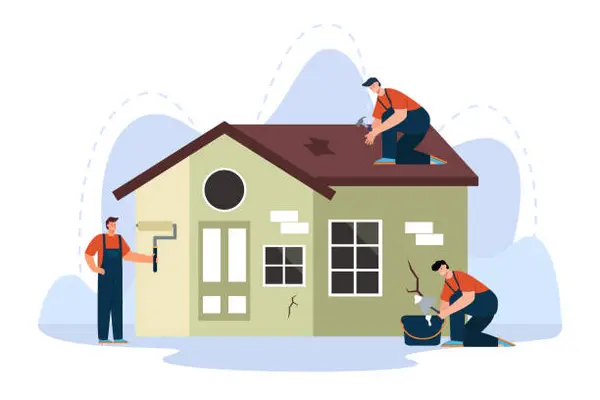
Rather than obsessing over an online estimate, put your energy into the things that genuinely move a real appraisal and a real buyer's opinion of value: fresh paint in neutral tones, decluttering so rooms photograph and show larger, and addressing any obvious deferred maintenance a buyer would flag immediately. Those changes affect what a human being, appraiser or buyer, actually concludes your home is worth. An algorithm never sees any of it.
Curb appeal still matters more than people expect
The first impression a buyer forms from the driveway or the street shapes how generously they interpret everything else inside. A well-kept lawn, a clean front door, and basic landscaping upkeep cost very little relative to their impact on that first impression, and I'd put this ahead of most bigger-ticket renovation projects for a seller trying to maximize value without a major investment.
Should you renovate before you list?
This depends on what's actually dated versus what's simply not to a specific buyer's taste. A kitchen with failing cabinets or a bathroom with a leaking shower pan is worth fixing before you list, because a buyer's inspector will flag it and it can spook a deal. A kitchen that's simply not the buyer's preferred color palette is a much lower priority, since most buyers can see past cosmetic preferences more easily than they can see past a functional problem.
I'd rather a seller spend a modest amount fixing something functional than a large amount chasing a full renovation on the assumption it'll be recouped dollar for dollar at closing. It rarely works out that cleanly, and a real comparable analysis will tell you far more about what's worth doing than a general renovation trend piece.
If you want an honest, in-person read on what your Solon home is actually worth, I'm glad to walk through it with you. If you'd like to talk through any of this for your own situation, reach me at www.21mike.com, by phone at (216)373-7727, or find the Mike Team on Google. You can also find us on Google Business Profile at https://g.page/r/CSQoYzel0Z68EAE.
Categories
Recent Posts