Inherited a House in Cleveland? Keep, Rent or Sell

Inheriting a house is rarely a clean financial decision. It's legal, emotional and practical all at once, and the order you handle it in matters. If you've inherited a house in Cleveland, here's the order I'd use.
First, confirm who can act
Before anything else, find out whether the estate has to go through probate and who's appointed to act for it. In Ohio, that usually means working with the probate court and an attorney. Nobody can sell or sign for the house until that authority is in place, so don't start repairs or listing paperwork until you know who's signing.
This is also the time to get everyone on the same page. If there are several heirs, talk early about whether anyone wants to keep the house, who's paying the bills while it's decided, and how decisions will be made. A lot of family stress comes from those questions being left unanswered.
Second, understand the disclosure rules
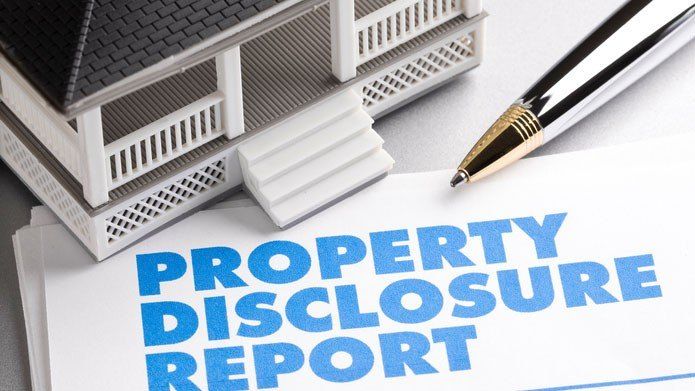
Ohio generally requires sellers to complete a residential property disclosure form, but there are exemptions. According to the Ohio property disclosure exemption form, they include a transfer by an executor, and a transfer from an owner who inherited the property and hasn't lived in it within one year before the sale.
When I teach this in my CE class, I point out that estate and inherited sales are one of the situations where a seller can skip the form. That doesn't make the house a mystery to the buyer. The same form notes that an exempt seller may still need to disclose known latent defects, so the estate should share what it knows. And it makes the buyer's inspection more important. Ask your attorney how to handle it.
Third, find out what the house is
Walk it with fresh eyes. Check the roof, furnace, water heater, electrical panel, basement moisture and signs of deferred maintenance. Older Cleveland houses can hide expensive surprises. A pre-listing inspection turns guesswork into a repair list and a budget.
Fourth, run the money three ways
Keeping the house costs money every month, even while it sits empty: taxes, insurance, utilities and upkeep.
Renting means becoming a landlord. In Cleveland, rental properties built before 1978 need a Lead Safe Certification or an exemption, and the property has to be registered with the city as a rental. Know those requirements before you collect a dollar.
Selling means choosing between selling as is and putting money in first. Compare all three on one page, using net numbers.
If you decide to fix it up
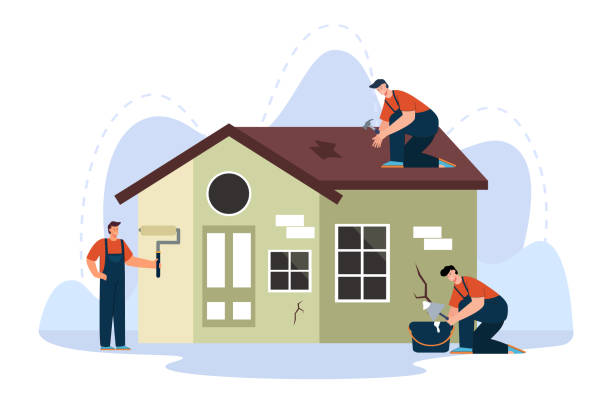
In my rehab article I advise a contingency of at least 10% in the budget, because a lot of repairs turn into bigger projects than expected. I also say to know your contractor's pricing up front and to match the work to the neighborhood and price range. Over-improving won't return what you spend, and under-improving leads to a lower price and longer market time. I've renovated more than 50 properties, and that advice hasn't changed.
Small things still matter. Two homes the Mike Team sold needed a similar amount of interior work, but buyers liked the one with the manicured lawn more than the one with the unkempt yard. Cleaning out the house, trimming the yard and fresh paint are cheap and usually worth it.
If you'd rather sell as is
Selling as is can make sense when the family doesn't have the time, money or energy for a renovation, or when heirs live out of town. You'll usually trade some price for speed and simplicity. The key is knowing what you're giving up. Get a realistic estimate of what the house would sell for as is and what it might sell for after the obvious repairs, then compare the difference to what those repairs would cost and how long they'd take.
What carrying the house really costs

Make a simple list and add it up for one month: property taxes, homeowners or vacant-home insurance, utilities, lawn and snow care, and a repair reserve. Multiply by the number of months you expect it to take to decide, clean out, prepare and sell. That total is what waiting costs, and families are often surprised by it. Share the number with the other heirs so the decision is made on facts.
The decision test
Ask whether you'd buy this house, at this price, as an investment today. If the answer is no, selling is usually the sound choice. If it's yes, keep it or rent it on purpose, not by default.
Talk to a CPA and an estate attorney before you act. This article is general information, not legal or tax advice. If you'd like help figuring out what the house is worth as is and after repairs, schedule a time with me or someone on our team at 21mike.com.
Mike Ferrante
The Mike Team at LPT Realty
www.21mike.com
Google Business Profile: https://g.page/r/CSQoYzel0Z68EAE
+1 (216) 373-7727
Categories
Recent Posts