Cleveland Heights Duplexes and Multi-Families: What Investors Need to Underwrite

Cleveland Heights Duplexes and Multi-Families: What Investors Need to Underwrite
By Mike Ferrante, Broker Associate, Mike Team at LPT Realty
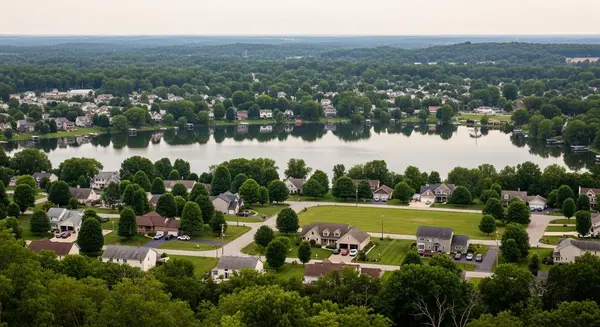
Cleveland Heights has one of the older, denser multi-family housing stocks in Cuyahoga County, and that's exactly why investors keep circling back to it. Duplexes and small multi-families here were built for a different era of density than most of the suburbs around it, which means more doors per lot, but also more age-related items to underwrite before you buy. I've underwritten a lot of two-family purchases in inner-ring Cuyahoga County suburbs over the years, and Cleveland Heights consistently rewards the investor who does the homework and punishes the one who doesn't.
The Point of Sale Inspection Changes Your Timeline
Cleveland Heights requires sellers to obtain a point-of-sale inspection and provide the resulting Certificate of Inspection before a residential sales contract is executed. For investors, that means the city's own inspector may identify code items, sometimes significant ones on an older multi-family property, before you're fully under contract. Build that timeline into your offer strategy. An investor who assumes a standard closing timeline without accounting for the point-of-sale process may be surprised.
What Tends to Show Up on Older Duplexes
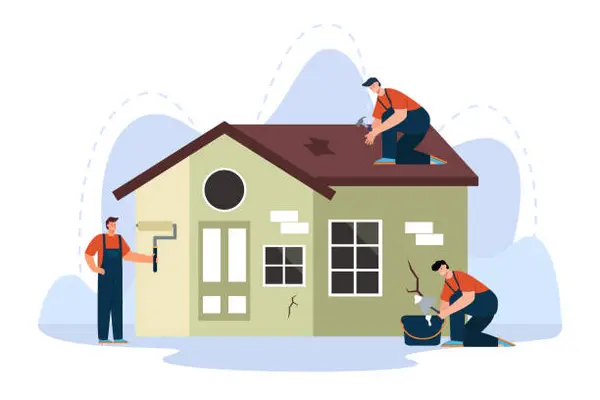
Knob-and-tube wiring remnants, aging or undersized electrical panels, deferred exterior maintenance, and older plumbing are the recurring items I see flagged on Cleveland Heights multi-family point-of-sale inspections. None of these are automatically deal killers, but they need to be priced into your offer and your rehab budget before you close, not discovered afterward when you're trying to get the units rent-ready.
Underwriting Two Units Instead of One
A duplex changes your underwriting math from a single-family rental in a meaningful way: vacancy risk is spread across two units instead of concentrated in one, which is genuinely attractive to a lot of investors, but your maintenance and capital expenditure line items effectively double on shared systems like the roof and the foundation. Run your numbers per unit and per building, not just as a blended average, so you actually understand where your risk is concentrated.
Financing a Cleveland Heights Multi-Family
Conventional financing on a two-unit property still qualifies for owner-occupant style loan programs if you plan to live in one side, which is worth exploring even for an investor who intends to eventually convert to a pure rental. For a straight investment purchase, expect a conventional investment property loan with a larger down payment requirement, and factor that into your total cash-to-close before you get attached to a specific property.
Rent Expectations and Tenant Profile
Cleveland Heights draws a mix of tenants: young professionals commuting into University Circle and downtown Cleveland, graduate students, and long-term renters who've been in the same neighborhood for years. That mix tends to produce steadier occupancy than a market with a single dominant tenant type, but it also means your unit finishes and marketing need to appeal broadly rather than to one narrow demographic.
Comparing Cleveland Heights to Other Cuyahoga County Rental Markets
Investors weighing Cleveland Heights against a newer suburb like Brunswick are really choosing between two different strategies. Cleveland Heights offers a lower entry price relative to rent in many cases, older systems that require more upfront diligence, and a dense, walkable rental pool near University Circle that newer suburbs simply don't have. A newer Medina County property trades that price-to-rent advantage for lower near-term maintenance risk. Neither approach is wrong, but running both scenarios side by side before committing capital, rather than assuming one city is categorically better, produces a more honest investment decision. For an investor already holding property in one of these markets, Cleveland Heights can be a useful diversification move specifically because its tenant profile and building age differ so much from a newer-construction rental portfolio.
Management Realities That Don't Show Up in the Numbers
Older multi-family buildings need more hands-on management than newer construction, full stop. If you're not planning to self-manage, budget for a property manager who actually has experience with pre-war and early-postwar multi-family stock, not just single-family rentals, because the maintenance calls are different and more frequent.
What I'd Underwrite Before Making an Offer
Get a contractor's opinion on electrical and plumbing condition before you finalize your offer, not after the point-of-sale inspection surprises you. Build the point-of-sale timeline into your contract terms explicitly. And run your numbers unit by unit so a strong-performing side doesn't mask a weak one.
If you're evaluating a duplex or multi-family purchase in Cleveland Heights or anywhere else in Cuyahoga County, I'd be glad to talk through the underwriting with you. Reach The Mike Team at www.21mike.com, call (216) 373-7727, or find us on Google at https://g.page/r/CSQoYzel0Z68EAE.
Categories
Recent Posts