Akron's 15-Year Tax Abatement: The Line Item Most Investors Leave Out of Their Rehab Math

In "Flip or Flop," I wrote that every month a rehab sits, taxes, utilities and insurance eat away at your bottom line. I'd add something on the other side of that ledger: the taxes after you're done. In Akron, there's a program that can take a real bite out of them, and a lot of investors don't plan for it.
How Akron's abatement works
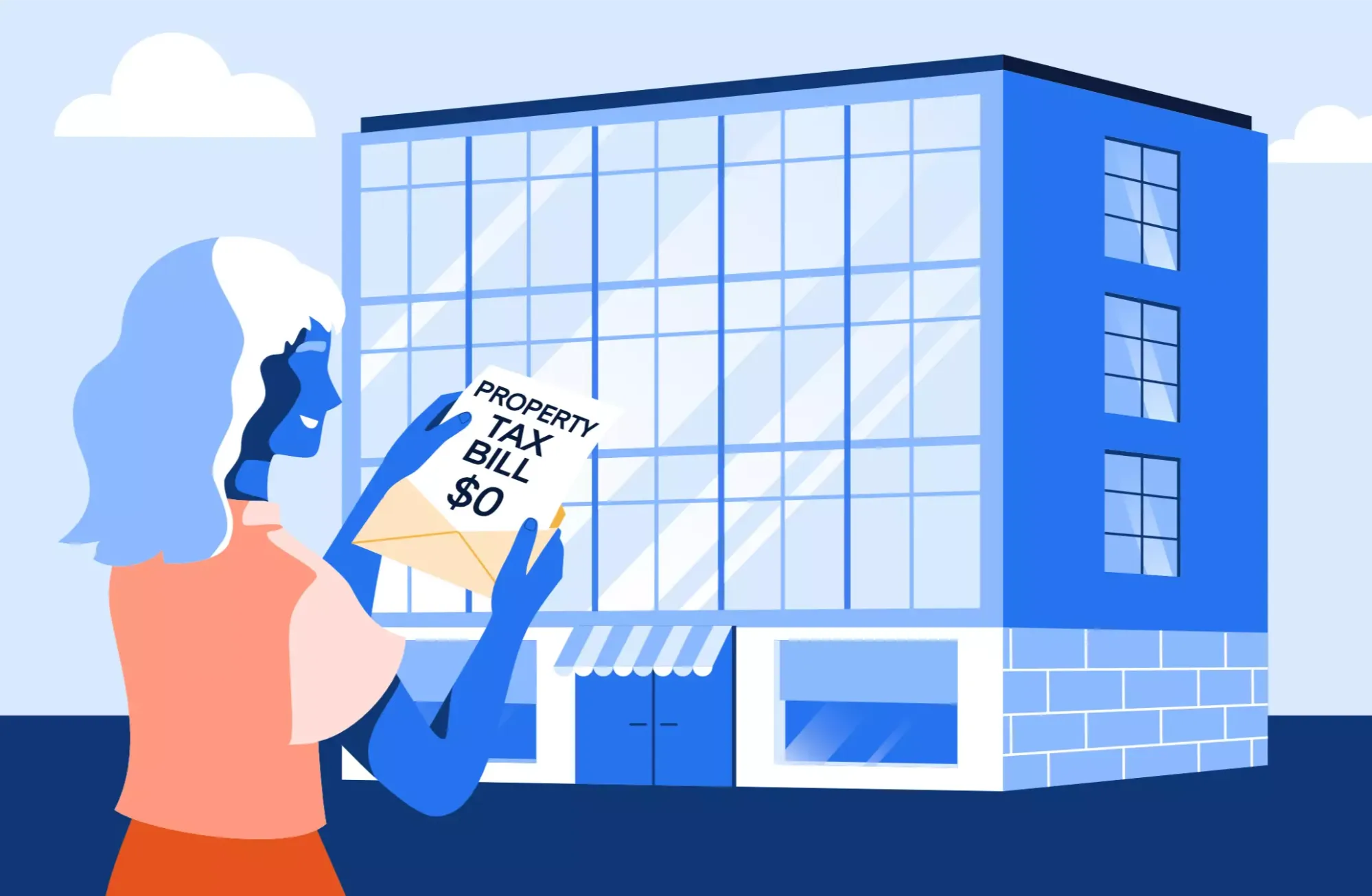
Akron adopted a citywide residential tax abatement in 2017, according to the American Planning Association. The city's program page says it exempts 100% of the added property value from new home construction or renovation work valued at about $5,000 or more, for 15 years.
A few details from the city's application matter for investors:
- You need permits. Appropriate building permits must be issued to qualify. You pull the permit, then submit a copy with the application.
- The county verifies it. The Summit County auditor does a field inspection of the work before value is added and the abatement is applied.
- It transfers. If the property sells during the 15 years, the new owner keeps the abatement.
- It's for residential structures. For mixed-use buildings, only the residential portion qualifies.
- Taxes have to be current. The property can't have delinquent taxes or assessments, and it has to be maintained and meet zoning.
One more thing: it doesn't freeze your taxes. It only covers the increase in value from the improvements. Reappraisals can still raise the rest of the bill.
What it can be worth
Here's a simple illustration. Say a renovation adds $100,000 to the county's value of a property. Ownwell puts Akron's median effective property tax rate at about 1.93%. At that rate, that's roughly $1,930 a year you wouldn't pay on the added value, or about $28,950 over 15 years, before any rate changes. Use the actual rate for your parcel, but the order of magnitude is the point.
Three ways investors can use it

On a rental you plan to hold. Lower taxes mean better cash flow every month. That can be the difference between a property that works at today's rates and one that doesn't. Freddie Mac's 30-year average was 7.40% on October 15, and investment loans usually price higher.
On a flip. Because the abatement transfers, the remaining years are part of what you're selling. A buyer's monthly payment includes taxes, so a lower tax bill helps the house compete. Make sure the listing and the paperwork show the abatement clearly.
When you're the buyer. If you're buying an Akron home someone else renovated, ask whether an abatement is in place, when it started and how many years are left. That number belongs in your pro forma.
Where it trips people up
- Unpermitted work. No permit, no abatement. It also creates problems when you sell.
- Forgetting to apply. The program has an application. Don't assume it happens on its own just because you pulled a permit.
- Assuming the whole bill is frozen. Land value and reappraisals still move.
- Ignoring the timeline. Build the application and county inspection into your project schedule, so the abatement is in place as early as possible.
Put it in the pro forma
Most investors run the purchase price, the rehab budget, the rent or resale price, and the holding costs. Add one more line for the abatement. On a hold, it's monthly cash flow. On a flip, it's a selling point. On a purchase, it's a number to verify. Leaving it out means you're either underestimating a deal or overpaying for one.
Here's how it plays out on a hold. Say your renovation adds $100,000 in value and saves you roughly $1,930 a year, using the illustration above. That's about $160 a month. On a rental, $160 a month can turn a deal that barely breaks even into one that cash flows. On a sale, it can make your listing's monthly payment more attractive than a similar home without an abatement. Either way, it's real money that belongs in your numbers from the start, right next to the rehab budget and holding costs.
Questions to ask before you buy a renovated Akron home

- Is there an abatement in place, and when did it start?
- How many years are left, and what was the value added?
- Were permits pulled for all the work?
- What will the tax bill look like when the abatement ends?
That last question is easy to forget. A home with only a few abatement years left may have a much higher tax bill in the near future. If you're planning to hold the property, build that jump into your long-term numbers so it doesn't catch you off guard.
Planning a rehab or new build in Akron?
If you want help thinking through the numbers before you buy, schedule a time with me or someone on our team at 21mike.com.
Mike Ferrante
The Mike Team at LPT Realty
www.21mike.com
Google Business Profile: https://g.page/r/CSQoYzel0Z68EAE
+1 (216) 373-7727
Categories
Recent Posts